Ask a room full of people how they got there today and you’ll hear a mix: a few drove, one took the train, someone biked, and another walked from the parking garage. Yet when researchers add up millions of trips, one answer rises above the rest. What is the most common type of transportation? Across the United States and in most cities worldwide, it’s the private car.
That answer isn’t the whole story, though. Walking is the backbone of daily travel in many fast-growing regions, public transit carries the majority of trips in some of the world’s biggest cities, and millions of people can’t drive at all. This guide breaks down the numbers, explains why cars lead, compares every major mode side by side, and looks at what happens when a personal vehicle simply isn’t an option, including for medical appointments.
Quick answer: The most common type of transportation in the United States is the personal car, used by roughly three out of four workers to get to their jobs. Globally, cars account for about half of urban commutes, while walking, buses, and rail dominate in many parts of Asia, Africa, Latin America, and Eastern Europe.
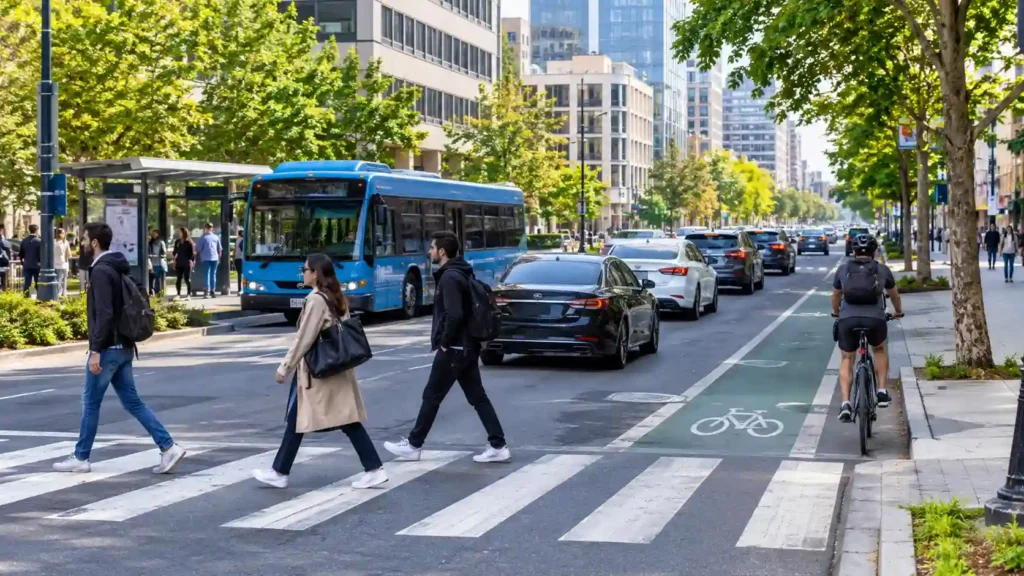
What is the most common type of transportation? The Direct Answer
Here’s the answer in three layers, depending on what you mean by “common”:
- In the United States: About 78% of workers say they usually drive to work in a car, truck, or van, and the vast majority of those drivers (88%) go alone rather than carpooling. By comparison, only about 4% use public transit, 2% walk, and fewer than 1% bike to work.
- In cities worldwide: A study of 794 cities found that about 51.4% of journeys were by car, 26.2% by public transport, and 22.4% by active mobility such as walking and cycling.
- By sheer human footsteps: Walking is the most basic form of travel on the planet. In cities of developing countries, walking is the principal means of transportation, mostly because affordable alternatives are scarce rather than by choice.
So the clean, one-line answer is “the car,” with a few important asterisks. The mode that wins depends on the country, the size of the city, the distance involved, and what people can afford.
The Main Types of Transportation, Explained
Transportation is usually grouped by the medium it travels through: land, water, air, and a few specialized categories such as pipelines and cable systems. For people-moving specifically, it helps to sort modes by who operates them and how much physical effort they need.
Private motorized transport
Cars, SUVs, pickup trucks, vans, and motorcycles belong here. They offer door-to-door flexibility and run on your schedule, but they require a license, insurance, fuel, parking, and maintenance.
Public transport
Buses, subways, light rail, commuter trains, trams, and ferries operate on fixed routes and timetables. They’re usually cheaper per trip and carry large numbers of people, but they depend on where lines actually run.
Non-motorized and active transport
Walking, cycling, and scooters (including e-bikes) fit this group. They cost little, produce no tailpipe emissions, and support daily activity, though distance, weather, and road safety limit them.
Shared and on-demand transport
Rideshare, taxis, car sharing, and microtransit shuttles sit between private and public options. You pay per trip, and no vehicle needs to be owned.
Specialized and assisted transport
This includes wheelchair-accessible vans, gurney-equipped vehicles, paratransit, and non-emergency medical transportation. These services exist because a standard car or bus can’t safely serve everyone.
Mode comparison at a glance
| Mode | Typical cost | Flexibility | Best for | Main limitation |
| Personal car | High upfront, moderate per trip | Very high | Suburbs, rural areas, longer commutes | Ownership costs, parking, driving ability |
| Bus | Low | Low to moderate | Daily commuting in cities | Routes and schedules |
| Subway / rail | Low to moderate | Low | Dense urban corridors | Limited coverage outside large metros |
| Walking | Free | High, but short range | Errands and short trips | Distance, weather, safety |
| Bicycle / e-bike | Low | High | Short to medium trips | Weather, road safety, hills |
| Rideshare / taxi | Moderate to high | High | Occasional trips, no vehicle | Cost adds up quickly |
| Specialized medical transport | Varies, often covered by insurance | Scheduled | Mobility needs, recurring treatment | Requires booking in advance |
How People Commute in the United States
America’s lead for the car is especially lopsided. In 2013, the Census Bureau reported that about 86% of U.S. workers commuted by automobile, with three out of four driving alone. Newer figures look much the same, even though remote work reshaped some schedules.
A few details make the picture clearer:
- Carpooling has faded. Carpooling peaked around 1980, when nearly 20% of workers shared rides, and only about one in ten commuters carpools today.
- City type matters. Principal cities in metro areas had lower rates of car commuting than suburbs and non-metro areas, according to Census Bureau figures: 78% in principal cities versus 89% in suburban and 91% in nonmetropolitan areas in 2013.
- Rural areas lean on cars even more. Automobiles are the primary mode of transportation in rural communities. Distances are longer, and transit is sparse.
- A few cities break the pattern. In New York City, public transit accounts for about 25% of journeys, the highest share of any US city in one global study.
It also depends on how you ask the question. In one consumer survey, 69.4% of respondents said they used a personal vehicle at least once a week, making it the most popular form of transportation for general travel, not just commuting.
Around the World: Cars, Buses, Feet, and Bicycles
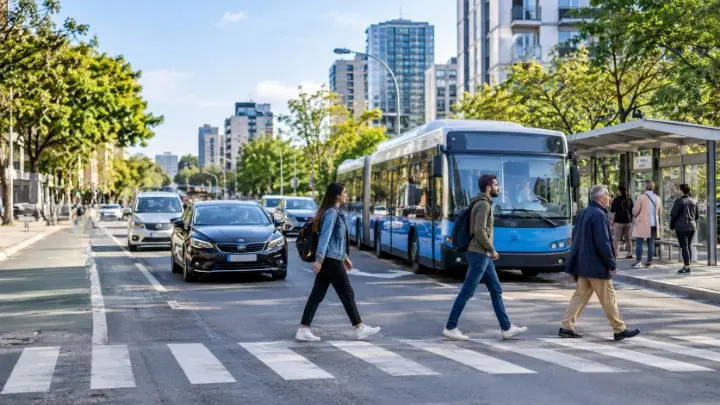
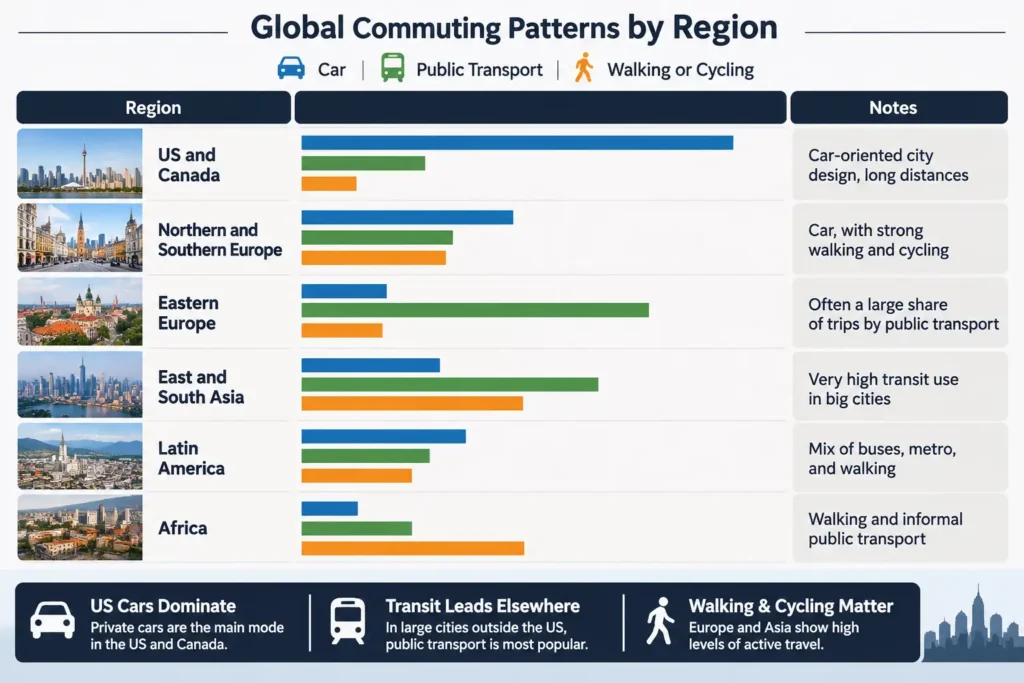
The United States is an outlier. In the US and Canada, 91.9% of trips in the studied cities were by car, with only 3.5% by active mobility and 4.6% by public transport. Compare that with eastern Asian cities, where public transport accounted for 46.2% of journeys, active mobility for 35%, and cars for just 18.8%.
Europe sits in the middle and varies a lot by country. In one survey, 65% of German commuters said they use their own car, 26% use public transportation, and 23% bike, while in the Netherlands 36% commute by bike and 56% by car (respondents could choose more than one mode).
| Region | Dominant mode(s) | Notes |
| US and Canada | Private car | Car-oriented city design, long distances |
| Northern and Southern Europe | Car, with strong walking and cycling | Varies widely by city |
| Eastern Europe | Public transport | Often a large share of trips |
| East and South Asia | Public transport, walking, cycling | Very high transit use in big cities |
| Latin America | Mix of buses, metro, and walking | Car use is lower than in the US |
| Africa | Walking and informal public transport | Cars are a minority of trips |
The pattern shifts again with size. In large cities outside the US, public transit is typically the most popular mode, while US cars dominate regardless of city size.
Why Cars Became the Default
No single factor explains the car’s lead. Several forces stack on top of each other:
- Distance and sprawl. When homes, jobs, and shops are spread out, a vehicle that goes anywhere on demand becomes the practical choice.
- Infrastructure. Highways, parking lots, and wide arterial roads make driving easy, while sidewalks and bike lanes are missing in many areas.
- Convenience and control. You leave when you want, carry what you want, and make stops without coordinating with a timetable.
- Limited alternatives. Where transit runs once an hour or not at all, a car stops being a preference and becomes a requirement.
- Cultural habit. Generations of families have organized life around driving, from school runs to weekend trips.
- Cost shifting. Many drivers experience the cost as monthly payments and fuel, not the full price of ownership, which makes driving feel cheaper than it is.
Cars carry downsides too: congestion, crash risk, pollution, and expense. Those pressures are why many cities invest in rail, bus lanes, and bike networks.
What is the most common type of transportation? Why It Doesn’t Work for Everyone
Here’s the catch buried inside the statistics: a large share of people can’t or don’t drive. Among US adults, 15% of those under 30 and 11% of those 65 and older describe themselves as nondrivers. Add people who use wheelchairs, those recovering from surgery, people with vision or balance problems, and households that simply can’t afford a second vehicle, and “just drive” stops being an answer.
This gap matters most for healthcare. Missed appointments often come down to one question: how will I get there and back? Specialized services exist to close that gap.
When a standard car isn’t safe or practical
A regular vehicle isn’t built for every situation. A rider might need:
- A ramp or lift for a wheelchair or power chair
- A driver trained to secure mobility equipment
- A gurney-equipped vehicle for someone who cannot sit upright
- Door-to-door help from the home to the exam room
- Dependable, recurring rides for treatments several times a week
- A calm, unhurried ride home after a procedure
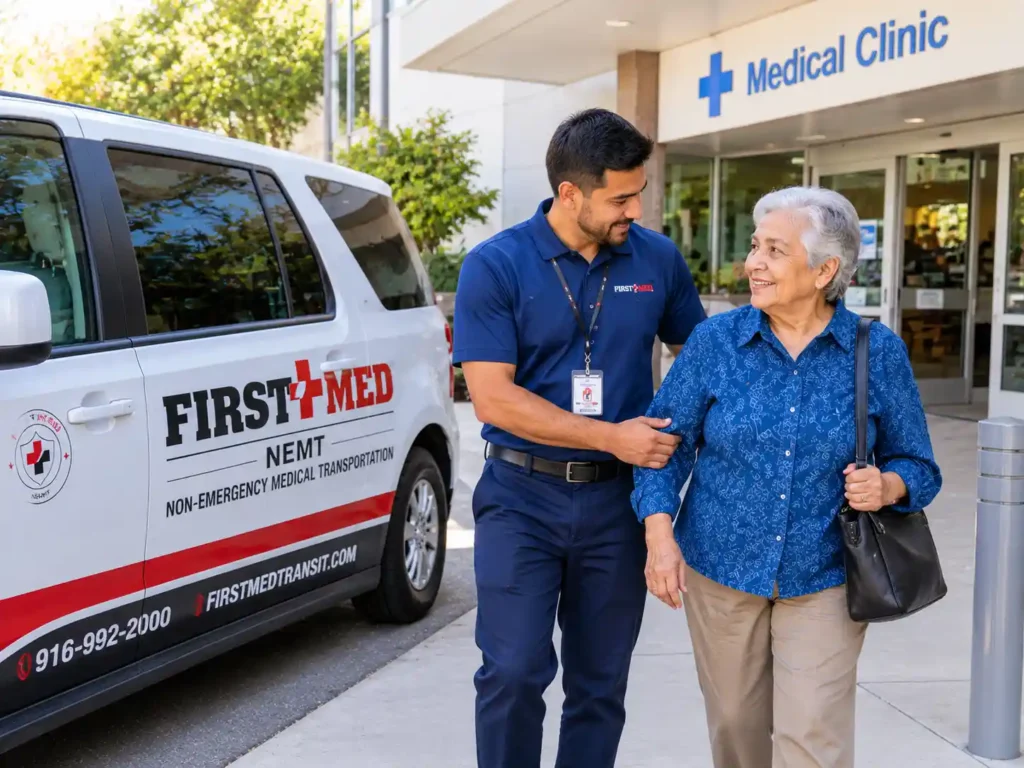
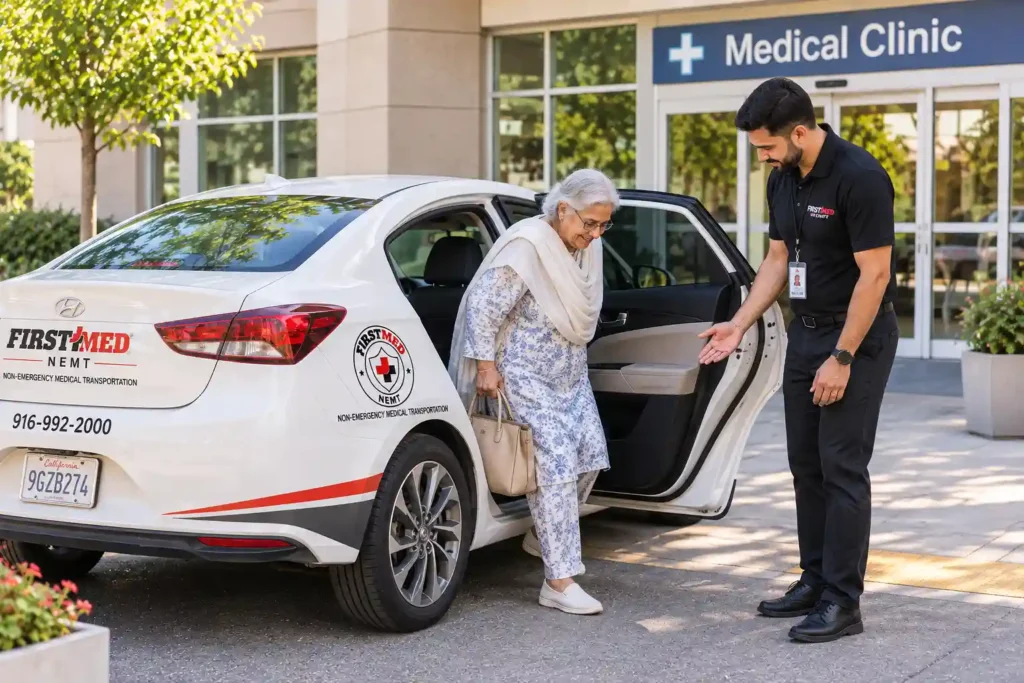
That’s where non-emergency medical transportation in Sacramento fills in for people who can’t rely on a personal car, public bus, or ride app.
Medical Transportation Options by Need
Different needs call for different vehicles. Here’s how common situations match up in the Sacramento area.
Walking riders who need a steady arm. If you can walk but feel unsure on stairs, in parking lots, or after a long wait, ambulatory transport offers a comfortable seat and a driver who helps with entry and exit.
Wheelchair and power chair users. Wheelchair transportation uses ramps or lifts and proper restraint systems, so riders stay in their own chair and travel securely.
People who must lie down. Gurney transport provides stable, horizontal positioning for facility transfers and situations where sitting upright isn’t safe.
Frequent treatment schedules. Dialysis often means three visits a week, every week. Dialysis transportation sets up a standing schedule so rides continue without rebooking.
Older adults. Senior transportation is designed around patience, extra time, and comfort for riders who no longer drive.
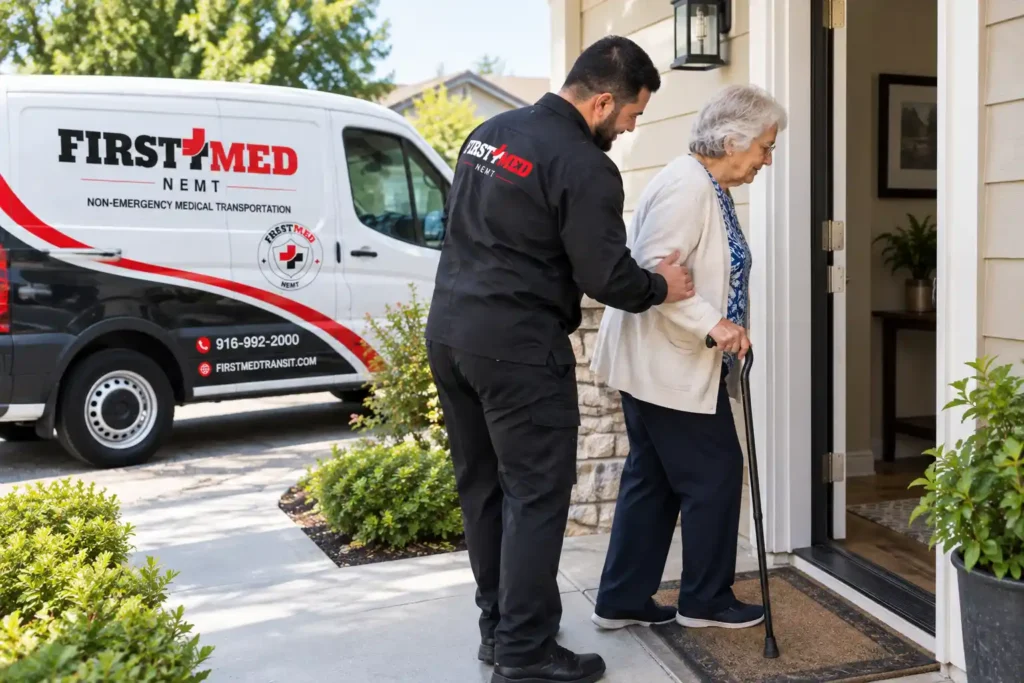
Leaving the hospital. After surgery or a hospital stay, a car that isn’t built for recovery can be uncomfortable or unsafe. Hospital discharge transport makes the trip home easier and keeps you from waiting on a relative’s schedule.
Short notice. Plans change, and some appointments can’t wait. Availability permitting, same-day NEMT can cover urgent follow-ups and last-minute discharges.
Long-term disability. Adults with ongoing mobility or cognitive challenges often benefit from regular, reliable service. Our page on transportation for disabled adults outlines what’s available.
If you’re curious how different vehicles compare in safety, our related blog post on the safest form of transport looks at planes, trains, buses, cars, and everyday medical rides.
Related Blog Post: What is the safest form of transport? Planes, Trains, Buses, Cars and Everyday Medical Rides
How Insurance Can Cover the Ride
Many people assume medical transportation is an out-of-pocket expense. For some riders, it isn’t. In California, the Medi-Cal program includes a transportation benefit for eligible members who have no other way to reach covered appointments. Coverage depends on your health plan, the type of visit, and whether authorization is needed, and a provider familiar with that process can help you verify benefits before the day of your ride.
Private insurance and private pay are other options, and some Medicare Advantage plans include ride benefits too. Asking your plan directly is the fastest way to find out.
Choosing the Right Mode of Transportation
Not sure which option fits your situation? Work through these questions in order.
- How far is the trip? Under a mile, walking or a short roll may do. Several miles, you’ll likely want a vehicle or transit.
- Do you need physical help? Needing a ramp, a steady arm, or a secure restraint narrows your options fast.
- How often are you traveling? One-time trips suit rideshare or taxis. Recurring treatments suit a standing schedule with a dedicated provider.
- What’s your budget? Compare the true cost of each option, including parking, tolls, and wait time.
- How much notice do you have? Same-day needs favor flexible providers. Planned trips can use advance booking, which usually offers more choices.
- Is it an emergency? If someone’s life may be at risk, call 911. Non-emergency services are for scheduled or stable situations.
| If you need… | Best-fit option |
| Quick errand, no mobility needs | Car, bus, bike, or walking |
| Occasional ride without a car | Rideshare or taxi |
| Daily commute in a dense city | Transit or bike |
| Wheelchair-accessible trip | Accessible NEMT van |
| Regular treatment rides | Recurring NEMT schedule |
| Ride home after a procedure | Assisted discharge transport |
Cost is a common sticking point. If you’re weighing a ride app against other choices, our related post on Uber versus airport taxi pricing shows how quickly fares can differ.
Related Blog Post: Which is cheaper, Uber or airport taxi?
If you use a wheelchair and are wondering whether ride apps can help, our related blog post on accessible rides explains what to expect and where specialized services fit.
Related Blog Post: Does Uber do disabled taxis? A Complete Guide to Wheelchair Accessible Rides and Transportation Options
Practical Tips for Smoother Trips, Whatever Mode You Choose
- Plan the return, not just the outbound trip. Many people think about getting there and forget the ride home.
- Leave a buffer. Traffic, loading time, and parking can easily add 15 to 20 minutes.
- Tell the provider your needs when booking. Mention mobility equipment, oxygen, a service animal, or a companion in advance.
- Confirm the day before. A short call prevents most missed pickups.
- Keep a backup plan. Save a second option, such as a family member or a different provider, for days when something falls through.
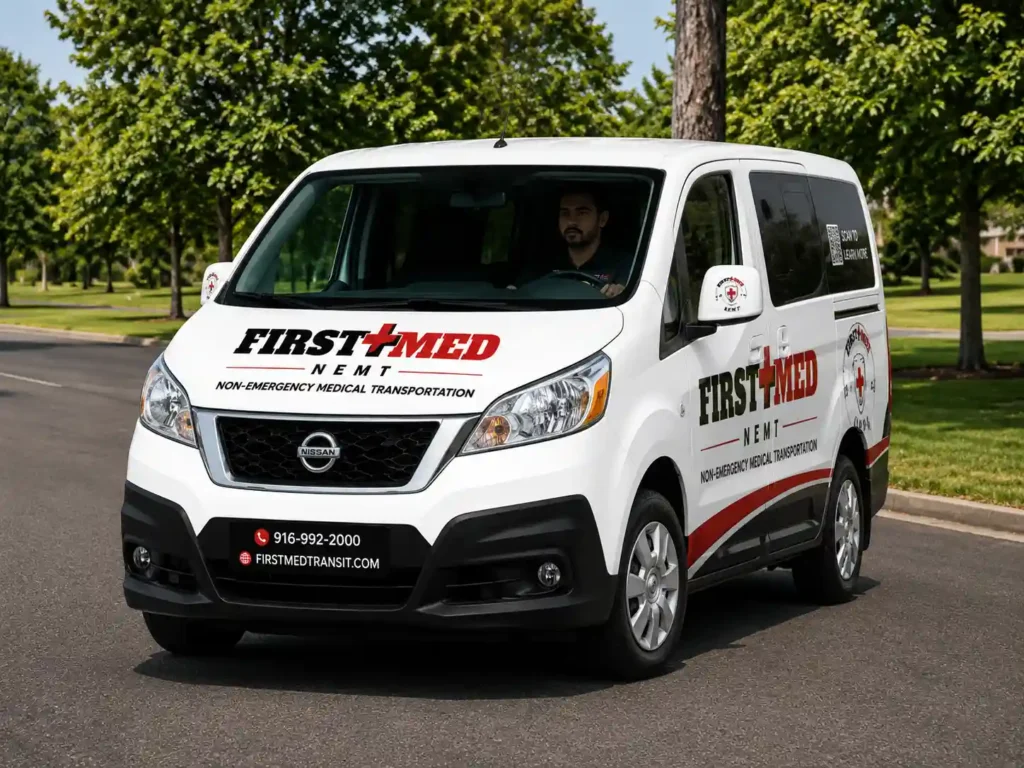
- Check the vehicle type. Ask what kind of vehicle is coming, especially if you need a ramp or lift.
- Keep records. Note times, trip numbers, and driver names in case something needs to be corrected.
Trends Changing How People Travel
Habits are shifting, even if the car still leads. Remote and hybrid work has reduced weekday commuting for many people. E-bikes and e-scooters are making short trips easier, and rideshare has become a regular part of travel for people who don’t own a car. Electric vehicles are growing fast, although researchers caution that swapping engines doesn’t remove congestion, parking demand, or tire-wear pollution. Meanwhile, as populations age, demand for accessible, assisted transportation is rising.
The takeaway: the car is likely to stay the most common type of transportation for years, but a healthy transportation system needs more than one answer.
Frequently Asked Questions
What is the most popular mode of transportation in the world?
Overall, personal cars carry the largest share of urban commutes worldwide, at roughly half of journeys in one global study of 794 cities. Walking, buses, and rail dominate in many regions, especially in Asia, Africa, and Eastern Europe.
What is the most common way Americans get to work?
Driving alone. About 78% of US workers commute by car, truck, or van, and nearly 9 in 10 of those drivers ride solo, according to Census Bureau data summarized by Pew Research Center.
What are the five main types of transportation?
Road, rail, air, water, and pipeline. For passenger travel, people often group modes into private motorized, public transit, active transport (walking and cycling), shared or on-demand rides, and specialized assisted transport.
Which type of transportation is the safest?
Safety depends on how it’s measured, such as per mile, per trip, or per hour. Commercial flights and trains generally have low fatality rates per mile compared with cars, but everyday safety also depends on vehicle condition, driver training, and the rider’s needs.
Why is walking so common in some countries?
In many developing cities, affordable motorized options are limited, so walking and cycling are the main ways people reach work, school, and markets.
Is public transportation more common than driving anywhere?
Yes. In many large cities across Asia and Eastern Europe, public transport carries a larger share of trips than private cars.
What types of transportation are available for people who can’t drive?
Options include paratransit, rideshare, volunteer driver programs, and non-emergency medical transportation, including ambulatory, wheelchair, and gurney services.
What is non-emergency medical transportation (NEMT)?
NEMT is scheduled transportation for people who need help reaching medical appointments but don’t need an ambulance. It’s commonly used for dialysis, therapy, specialist visits, and hospital discharges.
Does Medi-Cal pay for medical rides?
Eligible Medi-Cal members whose plan includes a transportation benefit may receive rides to approved appointments at no cost. Authorization rules vary by plan.
How far ahead should I book a medical ride?
For planned appointments, 48 to 72 hours is a good rule of thumb. Some providers also offer same-day service when availability allows.
Can a family member ride along?
In many cases, yes. Let the scheduler know when you book so they can plan for an additional rider.
So, What Should You Take Away From All This?
Cars lead because they offer flexibility where cities are spread out and transit is thin. Yet the real measure of a transportation system is whether everyone can reach the places that matter, including a clinic, a dialysis center, or a hospital discharge desk.
If you or someone you care about can’t drive, or needs more than a standard car can offer, First Med Transit provides licensed, insured, Medi-Cal-accepted rides across Sacramento County and nearby communities, with a fleet built for wheelchairs, walkers, and stretchers.