If you call 911 because you believe someone is facing a serious emergency, the telephone call itself generally is not what creates an ambulance bill. Charges are more commonly connected with services delivered after emergency responders are dispatched, such as an on-scene assessment, treatment, ambulance transportation, mileage, advanced life support, or other billable EMS services.
That distinction matters because an ambulance can arrive and you may still receive a charge even if no ride to a hospital takes place. Local EMS agencies and ambulance providers have different billing structures, so there is no single nationwide rule.
If the situation may be life-threatening, do not delay calling 911 because you are worried about price. Billing questions can be addressed afterward; an emergency response cannot always be safely delayed.
Do you get charged for just calling an ambulance? The short answer
Usually, simply placing the call is not the same thing as purchasing an ambulance ride.
However, once an ambulance, fire unit, paramedic team, or other emergency resource responds, a bill may become possible depending on what services are provided and the rules of the responding agency.
A useful way to understand ambulance billing is to separate the process into four stages:
- 911 call: You contact an emergency dispatch center.
- Emergency response: EMS resources are sent to the location.
- Assessment or treatment: Responders evaluate the situation or provide care at the scene.
- Transportation: An ambulance takes the individual to an appropriate facility.
A fee may apply at stages two through four depending on local policy. The largest charge is commonly associated with ambulance transportation, but “no transport” does not automatically mean “no bill.”
Quick-answer table
| Situation | Could an ambulance-related bill occur? | Why? |
| You call 911 but no ambulance service is ultimately provided | Usually no ambulance-service charge | A telephone call alone normally is not an ambulance transport service |
| An ambulance arrives and responders perform an assessment | Possibly | Some agencies charge an assessment or treatment-on-scene fee |
| Treatment is given but you remain at the location | Possibly | This may be billed as treatment without transportation |
| You are transported by ambulance | Yes, commonly | Base transportation, mileage and other services may be billed |
| Advanced emergency services are required | Often higher | ALS-level resources and equipment can affect charges |
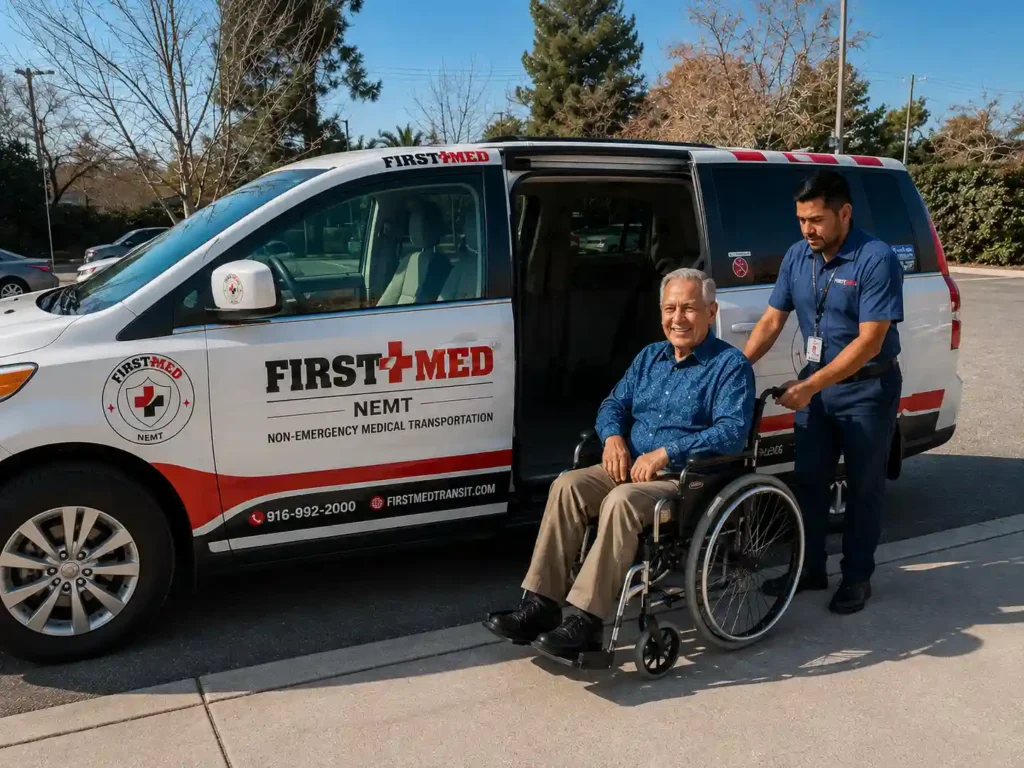
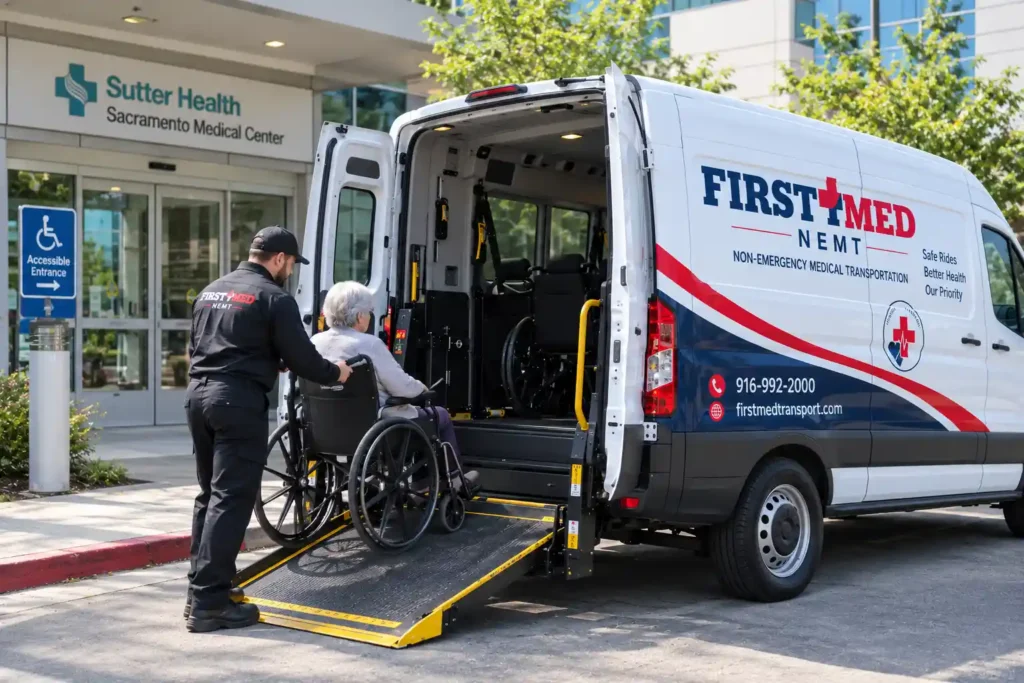
| A planned ride is arranged through NEMT | Different pricing model | NEMT is scheduled transportation rather than emergency response |
Because fee schedules vary substantially among public agencies and private companies, always treat online dollar amounts as examples rather than guaranteed prices.
Calling 911 Is Different From Receiving Ambulance Services
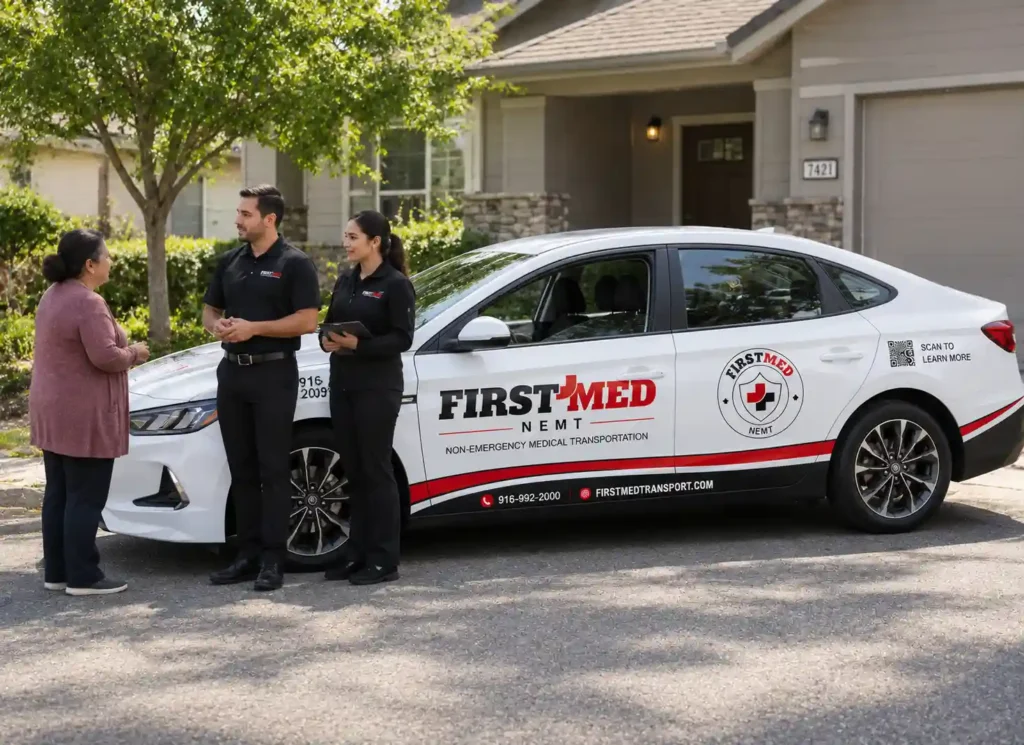
Many people assume the ambulance bill begins the instant a dispatcher answers the telephone. That is generally not how ambulance billing works.
The emergency communications system receives the request and determines what resources should be sent. The responding organization may be a city fire department, fire protection district, county service, private ambulance company, or another EMS organization.
Once resources arrive, the responding crew may perform an assessment, provide immediate assistance, use supplies or equipment, and decide whether transportation is recommended. Those actions can create billable services under a local fee schedule.
This is why two people can both call 911 yet have very different financial outcomes.
One might receive advice with no ambulance service ultimately provided. Another could receive a full EMS assessment but decline transportation. A third could require advanced support and transportation to a hospital.
The bill reflects the service delivered and the applicable billing rules—not simply the act of dialing three numbers.
Can You Be Charged If the Ambulance Comes but You Do Not Go to the Hospital?
Yes, that can happen.
Some EMS organizations have a treatment-on-scene, assessment, treat-and-release, no-transport, or similar fee.
The reason is straightforward: even without transportation, the response may have required trained personnel, an emergency vehicle, specialized equipment, communications resources, supplies, and time.
Sacramento Metropolitan Fire District provides a useful local example. Its fee schedule effective July 1, 2026 lists:
- Ambulance transport: $3,495
- Treatment on scene: $532
- Mileage: $53 per mile
- Oxygen: $194
- Cardiac monitoring: $148
The district specifically explains that treatment on scene may be billable because personnel, equipment, deployment, and other resources were used even when transportation did not occur. Actual personal responsibility can differ according to coverage, applicable law, and billing adjustments.
These figures should not be interpreted as the price charged by every Sacramento ambulance organization. Sacramento County publishes separate approved schedules for ambulance providers, so charges can vary by responding provider and service level.
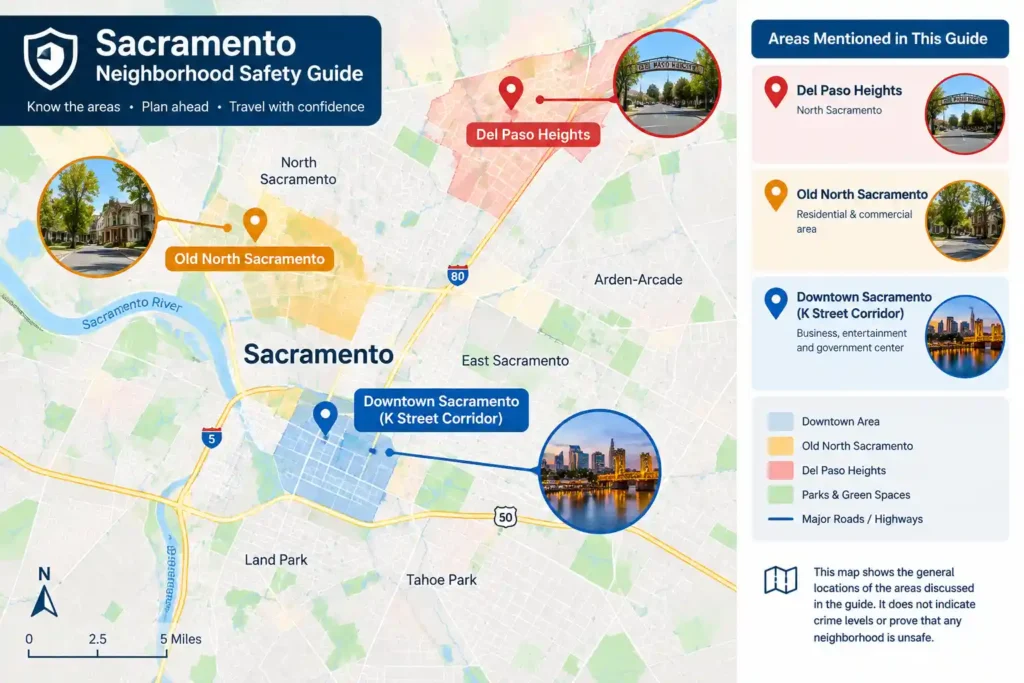
Do you get charged for just calling an ambulance? In Sacramento, California
Sacramento is a good example of why this question needs more than a one-word answer.
The call itself should be distinguished from the services that follow. A Sacramento-area emergency response may involve a fire district, ambulance provider, paramedic crew, assessment, transportation, or several of these components.
Therefore, if you are asking, “Do you get charged for just calling an ambulance?”, focus on these questions when reviewing what happened:
- Was an ambulance actually dispatched?
- Did responders perform an assessment?
- Was any treatment provided at the scene?
- Did transportation occur?
- Which EMS organization responded?
- What service level was documented?
- Was mileage added?
- Was your insurance billed?
- Does California law limit the amount you can personally be required to pay?
Those details are more useful for predicting the bill than the 911 call alone.
What Makes an Ambulance Bill So Expensive?
Emergency ambulance pricing is fundamentally different from the price of an ordinary car ride.
You are not simply paying for transportation from Point A to Point B. Emergency ambulance systems maintain 24-hour readiness, specially trained crews, dispatch coordination, medical equipment, safety equipment, supplies, vehicle maintenance, regulatory compliance, and the ability to respond quickly.
Charges may include:
| Billing component | What it generally represents |
| Base ambulance rate | Dispatch, vehicle, crew and transportation service |
| BLS | Basic life support level of service |
| ALS | Advanced life support level of service |
| Mileage | Miles traveled while transporting the individual |
| Treatment on scene | Assessment or treatment when no transportation occurs |
| Oxygen | Supplemental oxygen when supplied |
| Monitoring | Certain monitoring equipment when used |
| Additional personnel | Extra staffing when required |
| Specialized transportation | Higher-resource transport situations |
Medicare itself uses a national Ambulance Fee Schedule for covered ambulance services, demonstrating that ambulance reimbursement is based on service classifications rather than an ordinary taxi-style fare.
Does Insurance Pay for an Ambulance?
It may, but your final out-of-pocket amount depends on the type of coverage, whether the service qualifies, cost sharing, applicable state rules, and the responding provider.
Medicare
Medicare Part B covers ground ambulance transportation when transportation in another vehicle could endanger the individual’s health and the ambulance service meets Medicare’s medical-necessity requirements. After the Part B deductible, Medicare states that the enrollee generally pays 20% of the Medicare-approved amount for covered ambulance services.
Coverage is not simply determined by whether an ambulance was convenient. Medicare evaluates whether ambulance-level transportation was medically necessary.
Medi-Cal
Medi-Cal coverage follows different rules. Emergency ambulance benefits and planned transportation benefits should also be distinguished from one another.
For a scheduled appointment where emergency ambulance resources are not required, eligible members may instead qualify for non-emergency medical transportation.
First Med Transit explains Sacramento-area coverage and eligibility information on its Medi-Cal transportation in Sacramento page.
Private health insurance
Private-plan coverage varies. Some plans apply deductibles, copayments or coinsurance; others may have different rules for emergency transport.
California provides important protections for many covered ground ambulance services. Under AB 716, qualifying members receiving covered services from a noncontracting ground ambulance provider generally cannot be required to pay more than the applicable in-network cost-sharing amount. The California Department of Managed Health Care has issued guidance explaining these protections.
Coverage type still matters, so verify the rules for your specific plan rather than assuming every California policy works identically.
What About Surprise Ambulance Bills?
This is one of the most important areas where generic national articles can be misleading.
At the federal level, the No Surprises Act generally does not extend its ground-ambulance protections in the same way it covers qualifying air ambulance services. CMS explicitly identifies ground ambulance services as an exception to the federal surprise-billing protections
California, however, has additional state protections. AB 716 strengthened protections against certain balance bills for ground ambulance services beginning in 2024.
For uninsured or self-pay individuals, California law also limits what a ground ambulance provider may require in certain circumstances, using Medicare or Medi-Cal fee-for-service amounts as part of the statutory limit.
Federal ground ambulance rules and California ground ambulance rules are not identical.
Someone researching a Sacramento ambulance bill should therefore look at both the type of coverage and California-specific protections.

What Should You Do If You Receive an Ambulance Bill?
Do not assume the first number you see is automatically the final amount you must pay.
Review the bill systematically.
1. Ask for an itemized statement
Look for separate charges involving:
- Base service
- BLS or ALS
- Mileage
- On-scene services
- Oxygen
- Monitoring
- Supplies
- Additional staffing
- Other listed charges
2. Compare the bill with your insurance explanation
Confirm:
- What amount was billed
- What the insurer allowed
- What the insurer paid
- What amount was adjusted
- What amount is listed as your responsibility
3. Confirm which organization responded
The fire department that arrived first and the ambulance company that transported you may not always be the same organization.
That distinction can matter when understanding separate charges.
4. Ask why a no-transport fee was charged
If you were not taken anywhere, ask whether the amount represents an assessment, treatment-on-scene service, first-responder service, or another documented category.
5. Check applicable California protections
If your coverage is regulated under California rules, verify whether AB 716 affects the amount you can be asked to pay.
6. Appeal an insurance denial when appropriate
A denied claim is not always the final decision. Documentation, coding, coverage eligibility, or missing information can sometimes be reviewed through the insurer’s appeal process.
7. Ask about financial assistance
Some public EMS organizations offer hardship programs, payment plans, or reduced-payment options. Sacramento Metropolitan Fire District, for example, describes a low-income assistance process for qualifying bills.
Ambulance vs. Non-Emergency Medical Transportation
An ambulance is the correct choice when a situation requires emergency response, immediate clinical support, or ambulance-level resources.
But many transportation needs are planned and non emergency.
Examples can include:
- Routine medical appointments
- Wheelchair-accessible transportation
- Dialysis transportation
- Rehabilitation visits
- Hospital discharge transportation
- Follow-up appointments
- Scheduled specialist appointments
- Gurney transportation when emergency monitoring is not required
- Recurring treatment trips
For those situations, non-emergency medical transportation services may be more appropriate than activating 911.
First Med Transit’s guide explaining what NEMT transportation is also provides a useful comparison between scheduled transportation and emergency ambulance service.
Emergency ambulance vs. NEMT
| Feature | Emergency ambulance | NEMT |
| Primary purpose | Emergency response | Planned transportation |
| Scheduling | Usually through 911 or emergency coordination | Scheduled in advance or sometimes same day |
| Onboard emergency resources | Yes | No emergency-response function |
| Wheelchair options | Depends on emergency circumstances | Common |
| Gurney options | Yes | Available for qualifying non-emergency trips |
| Routine appointments | Usually inappropriate unless ambulance-level support is necessary | Common use |
| Pricing structure | EMS/ambulance billing | Transportation-provider pricing or coverage |
| Recurring scheduling | Not designed for routine repeated rides | Common |
A useful way to think about “Do you get charged for just calling an ambulance?” is that an emergency response and a scheduled transportation service solve fundamentally different problems. When there is genuine danger, 911 is appropriate. When the trip is planned and the rider is stable, the right form of NEMT may avoid using an expensive emergency resource unnecessarily.
Could NEMT Be a More Appropriate Option for a Planned Trip?
Yes—when the situation is not an emergency.
First Med Transit offers ambulatory, wheelchair, gurney and other scheduled transportation options across the Sacramento area. Its published transportation-cost resources explain how vehicle type, distance, assistance level, timing and coverage can affect NEMT pricing.
For a deeper cost comparison, see cost of non-emergency medical transport.
When a ride becomes necessary on short notice but emergency medical intervention is not required, same-day NEMT in Sacramento may also be worth checking, subject to vehicle availability.
How Much Could Non-Emergency Transportation Cost Compared With an Ambulance?
There is no universal price because providers, mileage, mobility assistance, equipment and insurance arrangements differ.
First Med Transit’s existing Sacramento pricing guide reports that private-pay local NEMT frequently falls into much lower ranges than ambulance transportation, although an exact quote is required for a particular trip.
That comparison matters because an emergency ambulance is designed around emergency readiness and clinical response. A scheduled transportation vehicle is built around safe mobility and transportation assistance.
The least expensive service is not automatically the correct service.
Use emergency services when an emergency exists. Use planned transportation when the need is transportation rather than emergency intervention.
How to Avoid Unnecessary Transportation Costs for Planned Appointments
For non-emergency trips, a little preparation can make a meaningful difference.
- Verify benefits before booking. Ask specifically about transportation coverage.
- Choose the correct vehicle type. Ambulatory, wheelchair and gurney trips have different requirements.
- Schedule ahead whenever possible. This improves vehicle availability.
- Ask for a written quote. Confirm whether mileage, waiting and return transportation are included.
- Confirm one-way vs. round-trip pricing.
- Ask about recurring scheduling. This can simplify regular weekly transportation.
- Have coverage details available before calling.
- Confirm whether authorization is required.
- Never substitute NEMT for emergency care. If immediate emergency assistance is needed, call 911.
For a deeper explanation of who may cover scheduled transportation, read the related blog post: Who Pays for Non-Emergency Medical Transportation in California?
If the main concern is private-plan coverage, see insurance coverage for non-emergency medical transportation.
Frequently Asked Questions
Do you have to pay if an ambulance arrives but you refuse transportation?
Is calling 911 free in the United States?
The telephone call itself is generally separate from ambulance-service billing. The potential bill normally relates to EMS resources and services provided after dispatch. Local systems can differ, so the responding agency’s policy is the definitive source for a particular incident.
Can an ambulance charge you without taking you anywhere?
Yes. A no-transport assessment or treatment fee may apply depending on the provider and services delivered.
Why is an ambulance so expensive?
Ambulances involve far more than transportation. Pricing can reflect around-the-clock readiness, trained crews, emergency equipment, vehicle costs, dispatch, supplies, service level and mileage.
Does Medicare pay for ambulance transportation?
Does the No Surprises Act protect ground ambulance bills?
Not generally at the federal level. CMS identifies ground ambulance services as outside the main federal surprise-billing protections. State laws may provide additional protection.
Does California protect people from surprise ground ambulance bills?
Should I use NEMT instead of an ambulance to save money?
Only when the transportation need is genuinely non-emergency. NEMT is appropriate for planned healthcare trips when emergency response is unnecessary. A suspected emergency should always be handled through 911.
What should I ask before scheduling a non-emergency ride?
Ask about the total quote, mileage, waiting time, one-way versus round-trip cost, wheelchair or gurney requirements, insurance eligibility, Medi-Cal eligibility, authorization requirements and cancellation rules.